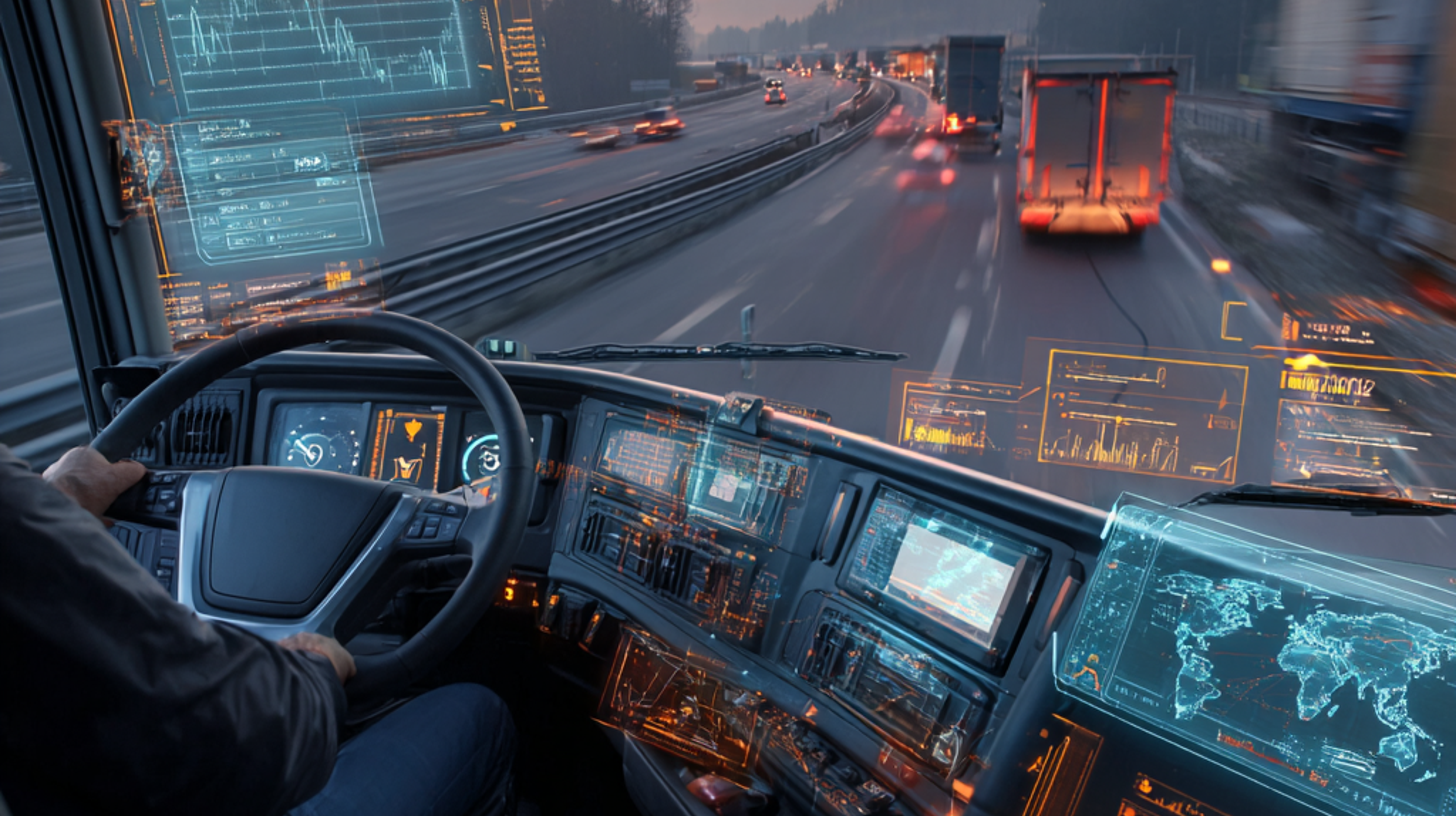
Fleet operations today are under pressure from every angle: rising insurance premiums, tighter FMCSA and DOT regulatory requirements, and constant scrutiny on driver safety metrics.
But here’s the reality: most fleets aren’t failing because they lack data.
They’re failing because they can’t act on it fast enough.
You’ve got telematics, ELD systems, dashboards, and compliance software but your dispatchers are still buried in calls, drivers are still missing check-ins, and critical safety alerts are slipping through the cracks.
That’s where modern fleet automation software changes the game.
The best fleet management solution in 2026 doesn’t just track what happened—it automates workflows, communicates in real-time, and actively prevents risk.
At its core, fleet automation software is designed to streamline day-to-day fleet operations by reducing manual work and improving decision-making.
Instead of relying on spreadsheets, phone calls, and disconnected systems, automation connects everything into a single, intelligent workflow.
But not all fleet management platforms are built the same.
Legacy tools focus on visibility.
Modern, AI-powered software solutions focus on action.
Even with tools like Samsara, Motive, Geotab, and Verizon Connect, fleets still struggle with compliance management and safety management.
Here’s why:
Dispatchers are still:
This leads to missed notifications, delayed responses, and inconsistent driver compliance.
Most fleet management software gives you dashboards after the fact:
But by the time you see it, the damage is done.
What fleets actually need is real-time alerts and intervention.
You might have:
But if they’re not connected, your workflows break.
And when workflows break, compliance breaks.
Drivers are constantly moving. They don’t have time to:
This creates risk tied to distracted driving when communication isn’t streamlined.
This creates gaps in:
If you’re evaluating fleet management platforms, here are the key features that actually move the needle on fleet safety and compliance.
You need more than dashboards.
Look for:
The goal: fix problems before they impact safety or compliance.
The best systems eliminate manual work:
This is where fleets start to truly streamline operations.
This is the biggest unlock.
Drivers shouldn’t need to interact with a mobile app while driving.
Voice-first systems enable:
Which directly improves driver safety.
Your fleet management solution should connect:
APIs matter here. Without them, you’re stuck with silos.
You want dashboards that show:
Better data → better decision-making.
Let’s break down the major categories of software solutions.
Strengths:
Limitations:
Strengths:
Limitations:
Strengths:
Limitations:
Strengths:
Limitations:
This is where the market is shifting.
Voice AI is emerging as the control layer for fleet operations—connecting drivers, dispatchers, and systems in real time.
Why it matters:
Drivers don’t want another app.
They need:
Voice AI enables:
Hyperscale is built specifically for dispatchers and driver ops teams, not just for tracking, but for execution.
Key Features:
Why It Stands Out:
Impact:
Strong telematics provider with robust dashboards and safety tracking.
Best for visibility—but limited in workflow automation.
Great for data and analytics.
Less focused on real-time driver communication and automated workflows.
Solid ELD and compliance software with good driver tracking.
Still largely reactive rather than proactive.
Comprehensive fleet management platform with route optimization and asset tracking.
But not built for modern, AI-driven workflows.
Drivers can:
…without touching a screen.
That directly reduces unsafe driving risk.
Voice AI can:
No more missed steps.
Instead of waiting for dashboards:
With better data and real-time feedback:
Here’s what this looks like in practice:
When evaluating providers, focus on:
If drivers won’t use it, it won’t work.
Can it connect across your entire stack?
Does it reduce work—or just track it?
Don’t just look at pricing.
Look at:
Most fleet management software was built to track operations.
But modern fleets need software that can run operations.
That means:
Voice AI is quickly becoming the layer that makes all of this possible.
And platforms like Hyperscale are leading that shift, turning disconnected systems into a single, intelligent, real-time fleet operations engine.
If you’re looking to improve driver safety, streamline compliance workflows, and reduce operational overhead, it’s time to rethink your stack.
Book a demo with Hyperscale and see how Voice AI can transform your fleet operations without adding more tools or complexity.
Fleet automation software streamlines day-to-day fleet operations by reducing manual work and improving decision-making. It can include GPS tracking, ELD and HOS compliance, DVIR workflows, driver communication, maintenance scheduling, safety alerts, incident management, and real-time dashboards.
Fleets should look for real-time monitoring, automated workflows, hands-free driver communication, seamless integrations, and data-driven insights. The best tools should connect with telematics, ELD, maintenance, TMS, and dispatch systems.
Hands-free communication helps drivers respond to updates, complete workflows, and communicate with operations without relying on a mobile app while driving. Voice-first systems are a major unlock for safety and compliance.
Traditional tools often focus on tracking and dashboards. Hyperscale is a Voice AI platform for dispatch and driver operations that helps execute workflows, automate driver check-ins, support DVIR prompts, trigger compliance workflows, and integrate with telematics, ELD, and TMS systems.
Hyperscale Systems has pioneered a unified AI agent platform that transforms operational communications across physical industries. Founded by logistics technology veterans with deep expertise from leading companies like Samsara, Hyperscale integrates seamlessly with major TMS, FMS, and telematics providers to deliver contextual agentic workflows that eliminate operational bottlenecks while enhancing human capability.




